#NFPA
#PSM
#Industrial safety
# Industrialsafety.ir
#Mohammadsadegh Ahmadi
Revisiting NFPA 704: A Call for Update to Address Delayed Hazards and Chronic Toxicity
As a Process Safety specialist with over a decade of field experience, I’ve had the privilege of working with numerous safety systems that are designed to protect workers in various industries. One such system that plays a critical role in hazard identification is the NFPA 704 (National Fire Protection Association) label, commonly known as the “fire diamond.” This system provides a quick, visual means to assess the severity of a chemical’s hazard in terms of flammability, reactivity, and health risks. While the NFPA 704 system is undoubtedly effective for immediate hazard identification, I believe it’s time for a critical update to address certain gaps—specifically, the representation of delayed or chronic hazards.
Why NFPA 704 Matters
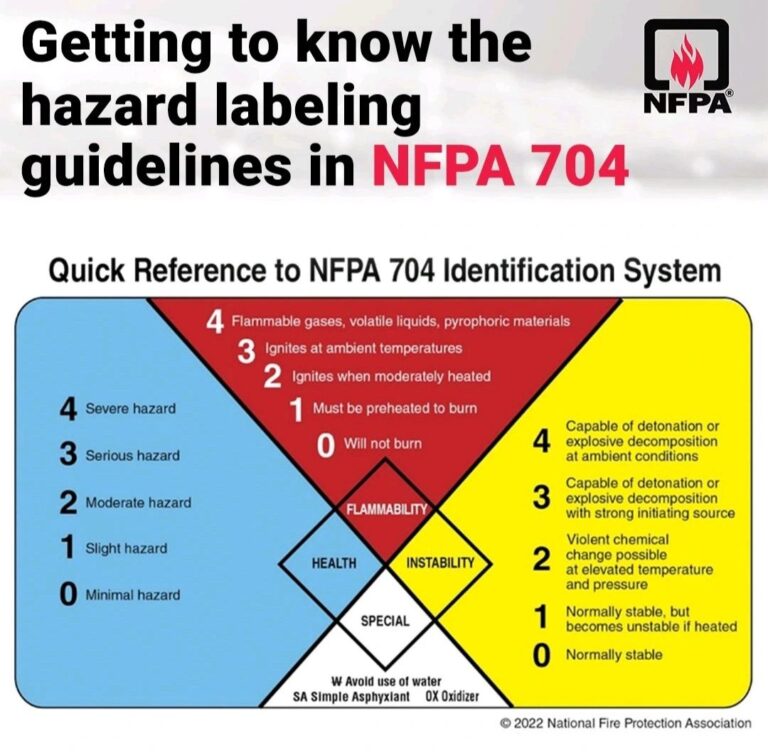
NFPA 704 has long been a cornerstone in industrial safety, providing a clear and standardized way to communicate potential dangers associated with chemicals. The system uses a color-coded diamond to indicate:
Red (Flammability): The hazard level of a substance in terms of its ability to catch fire.
Blue (Health): The degree of harm that can be caused by exposure to the chemical.
Yellow (Instability/Reactivity): How reactive or unstable the substance is under certain conditions.
White (Special Hazards): Any additional hazards, such as radiation or acid-based risks.
This simple yet effective system allows workers to quickly assess and take appropriate precautions when handling chemicals in an emergency situation. However, there’s a glaring limitation in the system: it doesn’t account for long-term or delayed health effects, such as chronic toxicity or neurotoxic impacts from certain chemicals.
The Missing Dimension: Chronic Toxicity and Delayed Health Effects
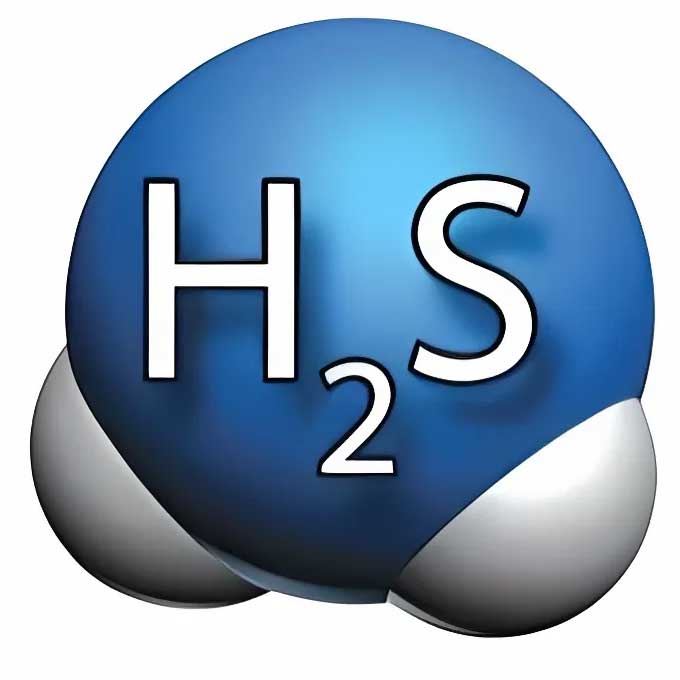
The current NFPA 704 framework focuses primarily on immediate threats. This is understandable in situations where quick decision-making can prevent accidents or injuries. However, certain chemicals—especially those that cause chronic health conditions or delayed effects—are not adequately represented. Take, for example, hydrogen sulfide (H₂S), neurotoxic gases, and other chemicals that might not immediately harm workers but can cause serious long-term health problems.
These chemicals may not be highly flammable, reactive, or pose acute risks, but they carry hidden dangers that become apparent only after prolonged exposure. Workers in environments where these chemicals are used might not experience immediate symptoms, but over time, they could face significant health consequences such as respiratory issues, neurological damage, or even cancer.
Currently, NFPA 704 does not capture these delayed hazards, which could lead to a false sense of security for workers who might not realize the long-term dangers they face.
A Proposal for an Update: Adding a Dimension for Delayed Hazards
Given the increasing awareness of chronic toxicity and delayed health effects in industrial settings, I propose an update to the NFPA 704 system that would include a new category for “delayed hazards” or “non-immediate risks”. This new dimension would help address the risks posed by chemicals that do not cause immediate symptoms but have the potential for long-term health consequences.
Here are a few potential improvements for the NFPA 704 system:
- Chronic Toxicity Indicator: A visual marker to indicate substances known to cause chronic health effects, such as liver or kidney damage, cancer, or respiratory disorders.
- Neurotoxicity Indicator: A symbol or label to highlight chemicals that are neurotoxic, especially those that might cause damage to the brain or nervous system over time.
- Delayed Health Effects: A specific warning for chemicals that could lead to long-term health issues after repeated exposure, even if no immediate symptoms are present.
By incorporating these additional dimensions, the NFPA 704 system would provide a more complete picture of the risks associated with various chemicals, enabling workers and safety professionals to take a more holistic approach to hazard identification and protection.
Why This Update Is Critical
As someone who has worked extensively in process safety, I have seen firsthand the devastating effects that long-term exposure to hazardous chemicals can have on workers’ health. In many industries, chemicals are handled day in and day out, and their cumulative effects are not immediately visible. Updating the NFPA 704 system to account for these non-immediate risks would help raise awareness of potential health hazards that workers might otherwise overlook.
Furthermore, this update could drive industry-wide improvements in safety protocols. By formally recognizing delayed hazards, employers would be encouraged to take preventive measures—such as implementing better ventilation systems, using personal protective equipment (PPE), or monitoring worker health over time—ultimately leading to safer work environments.
A Call for Action
It’s time for industry leaders, safety professionals, and regulatory bodies to come together and advocate for this important change in the NFPA 704 system. By recognizing the risks posed by delayed hazards, we can create a more comprehensive safety system that better protects workers in the long run.
I encourage fellow safety professionals to share their thoughts and experiences regarding this issue. If you’re working with chemicals that pose chronic or long-term health risks, how do you communicate those dangers to your team? Let’s collaborate to ensure that the next generation of safety standards addresses the full spectrum of chemical hazards, both immediate and delayed.